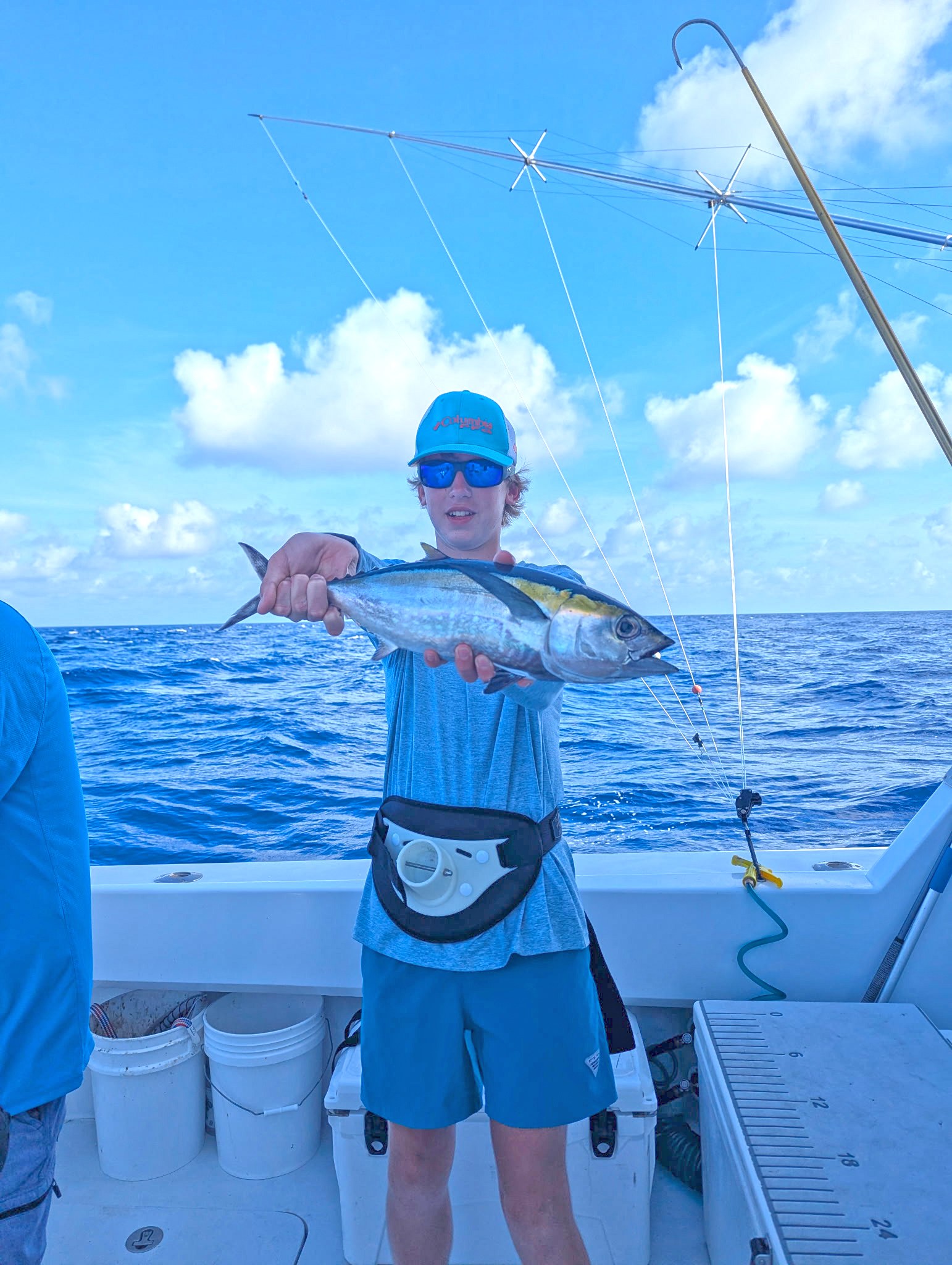
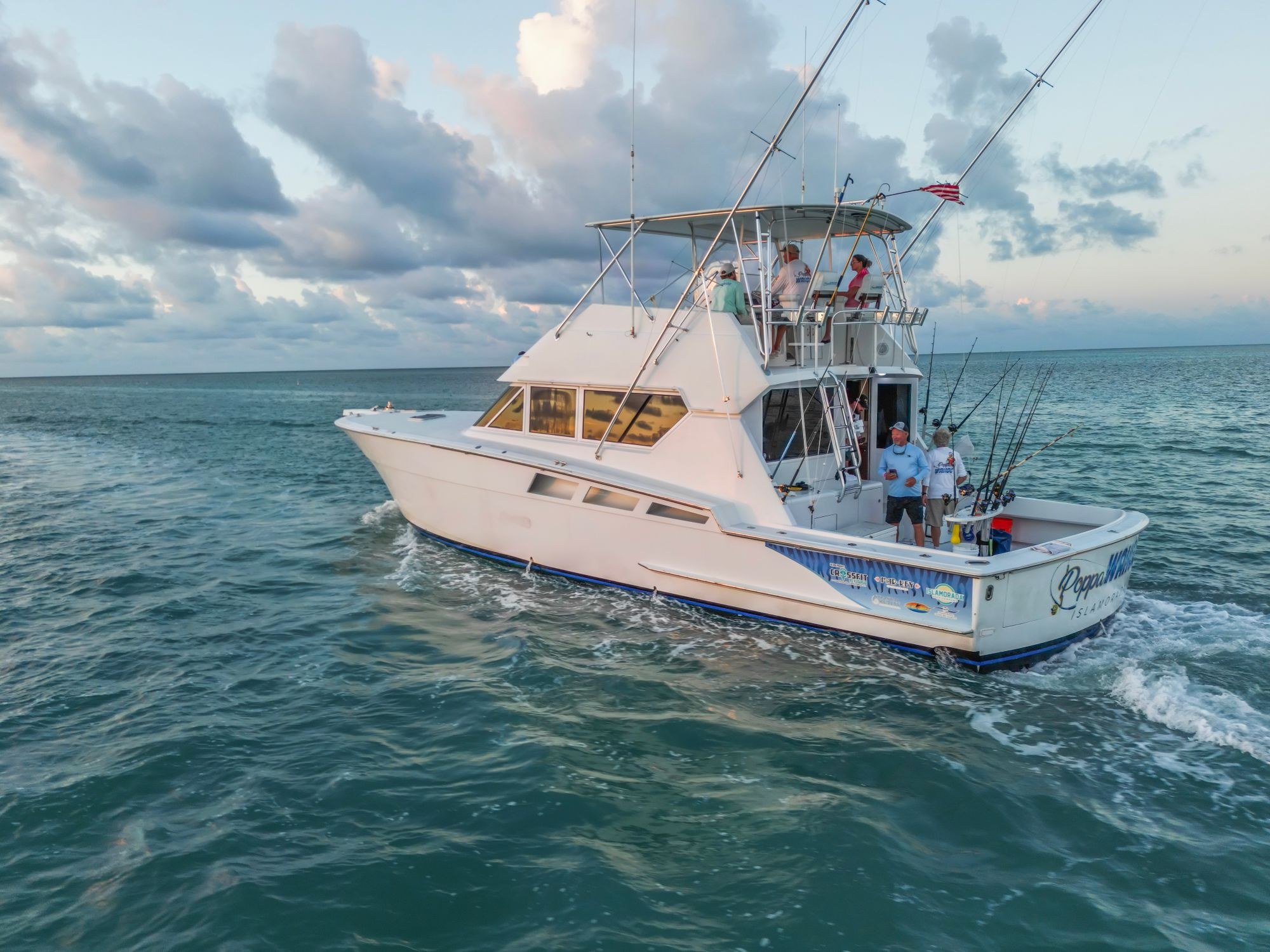
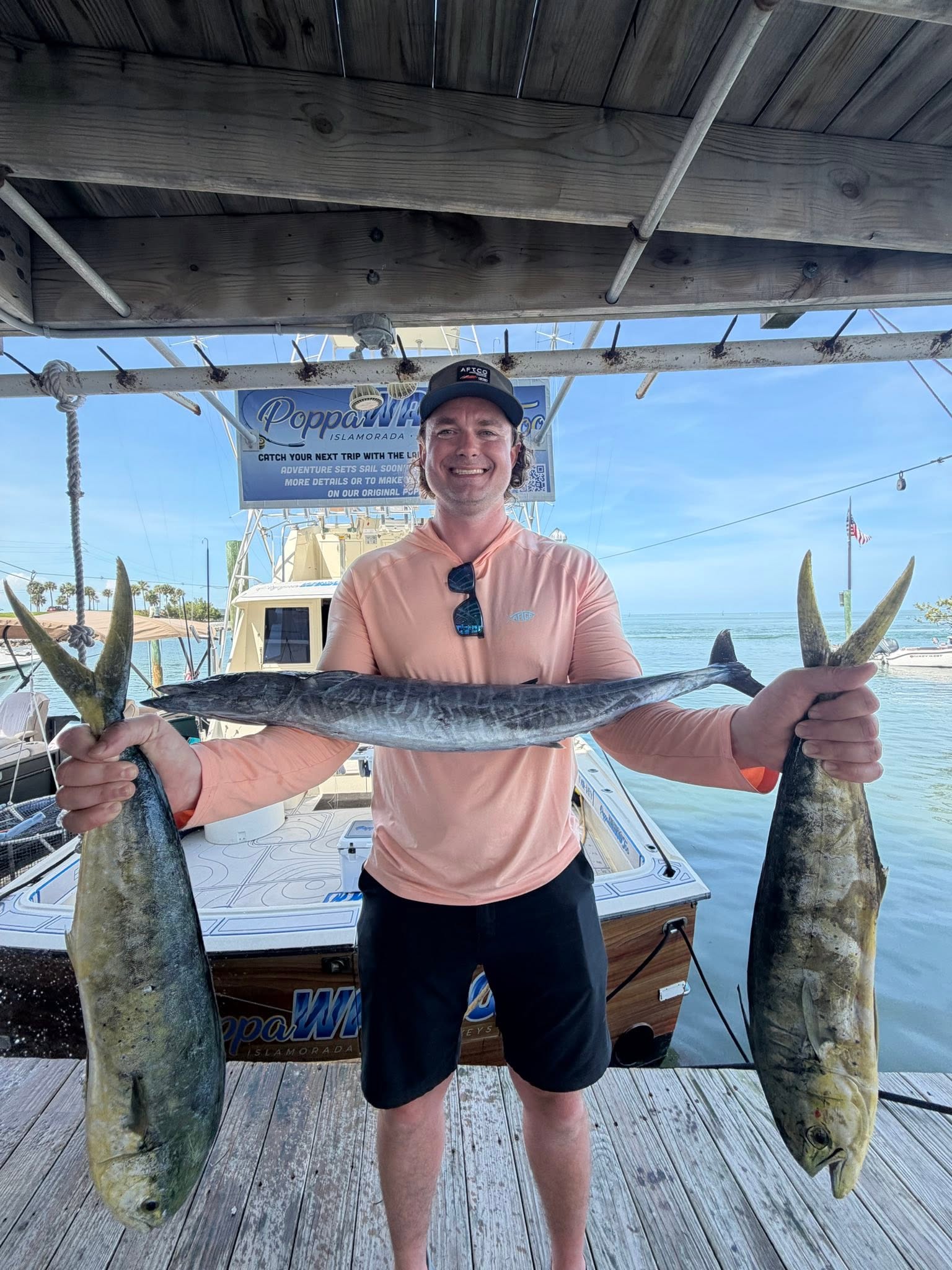
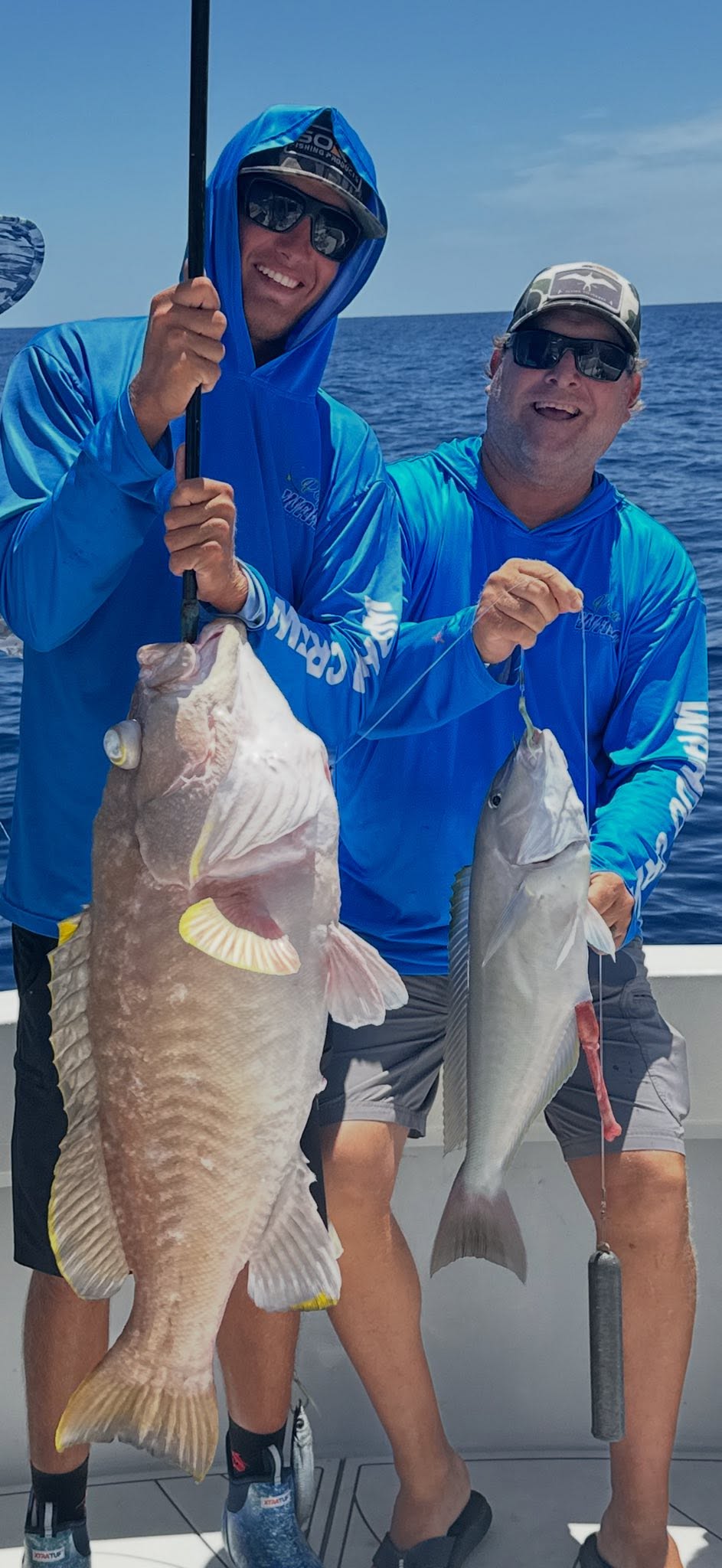
Everything worth chasing out of Islamorada.
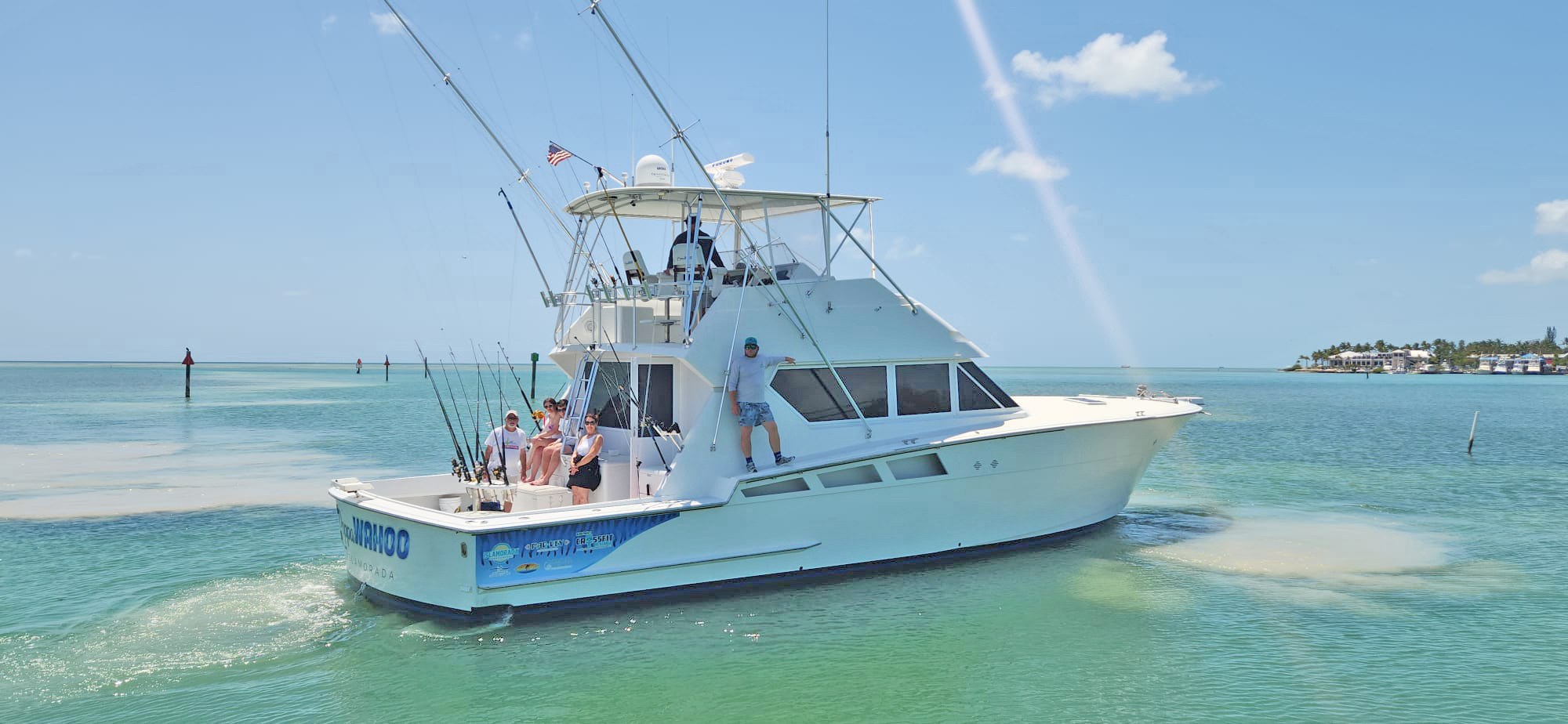
Islamorada sits on a piece of water where the flats, the reef, the humps and 1,500 feet of blue are all inside a short run. This is the full list of what the fleet targets, when each one shows up, and which boat you want under you for it.
Nobody books a charter to catch a fish. They book it to catch the fish, the one they have been thinking about since the drive down. The point of this page is to help you name it before you call, because the answer changes which boat we take, how early we leave, and what we rig on the way out.
Where the fish actually are
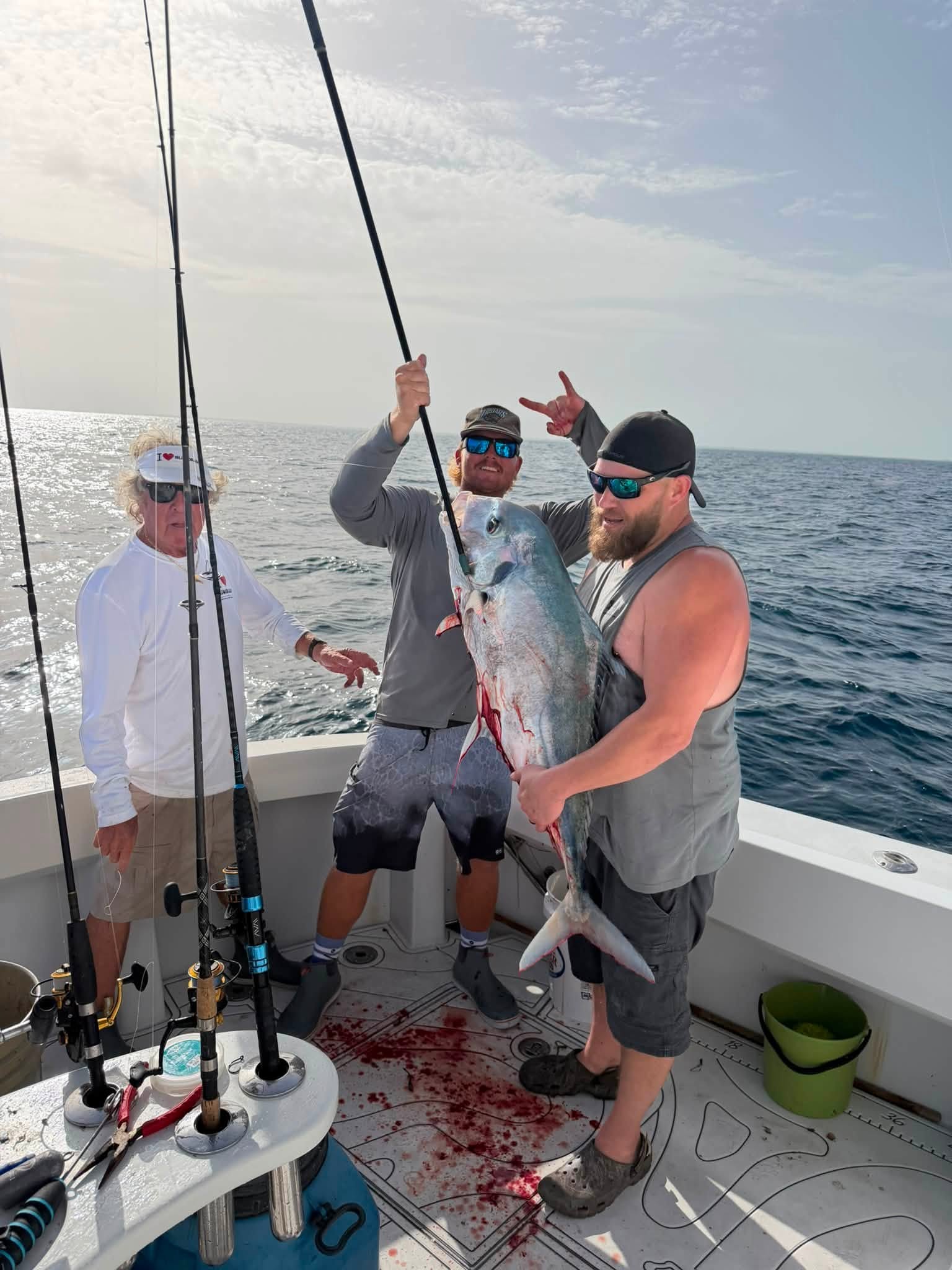
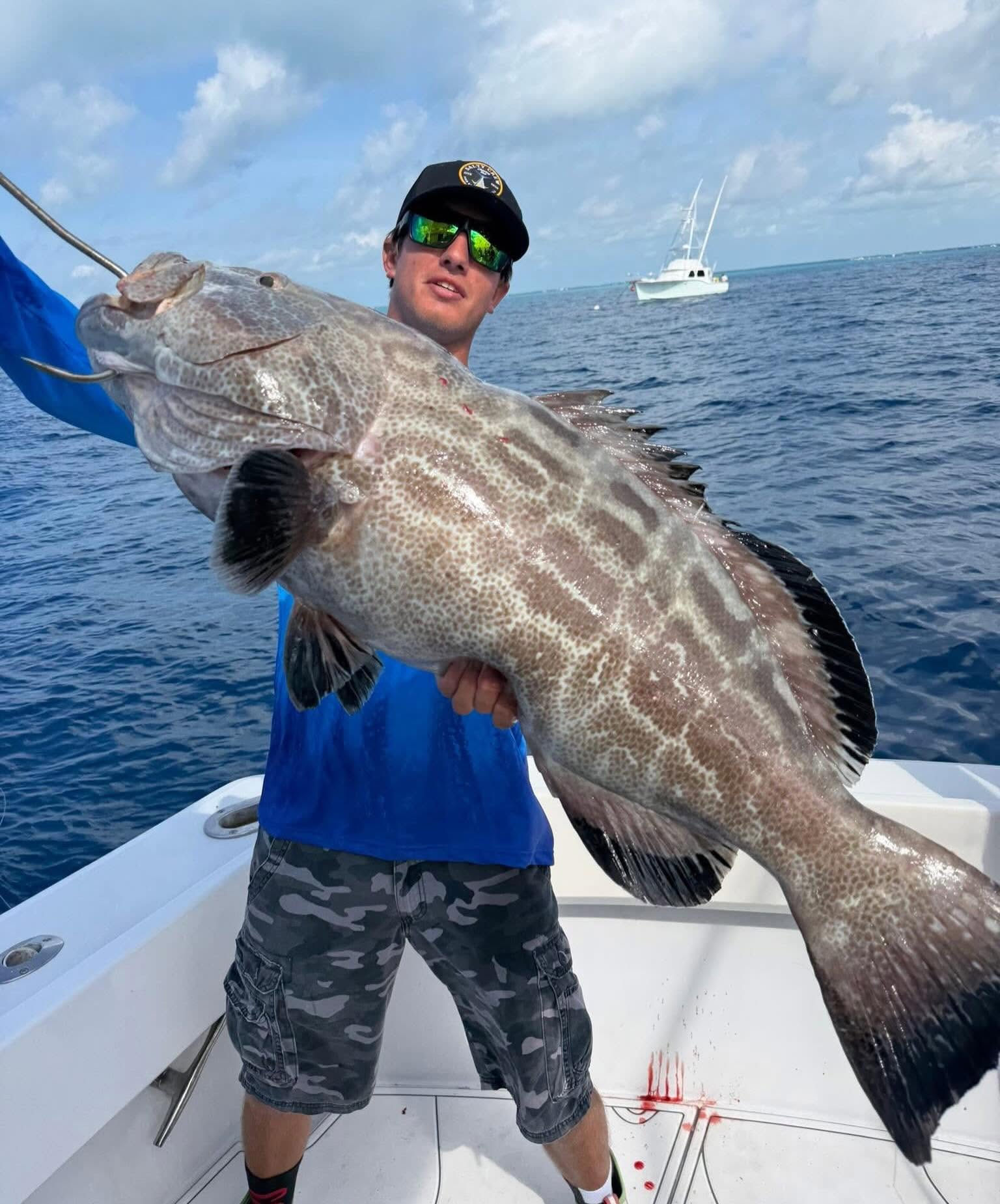
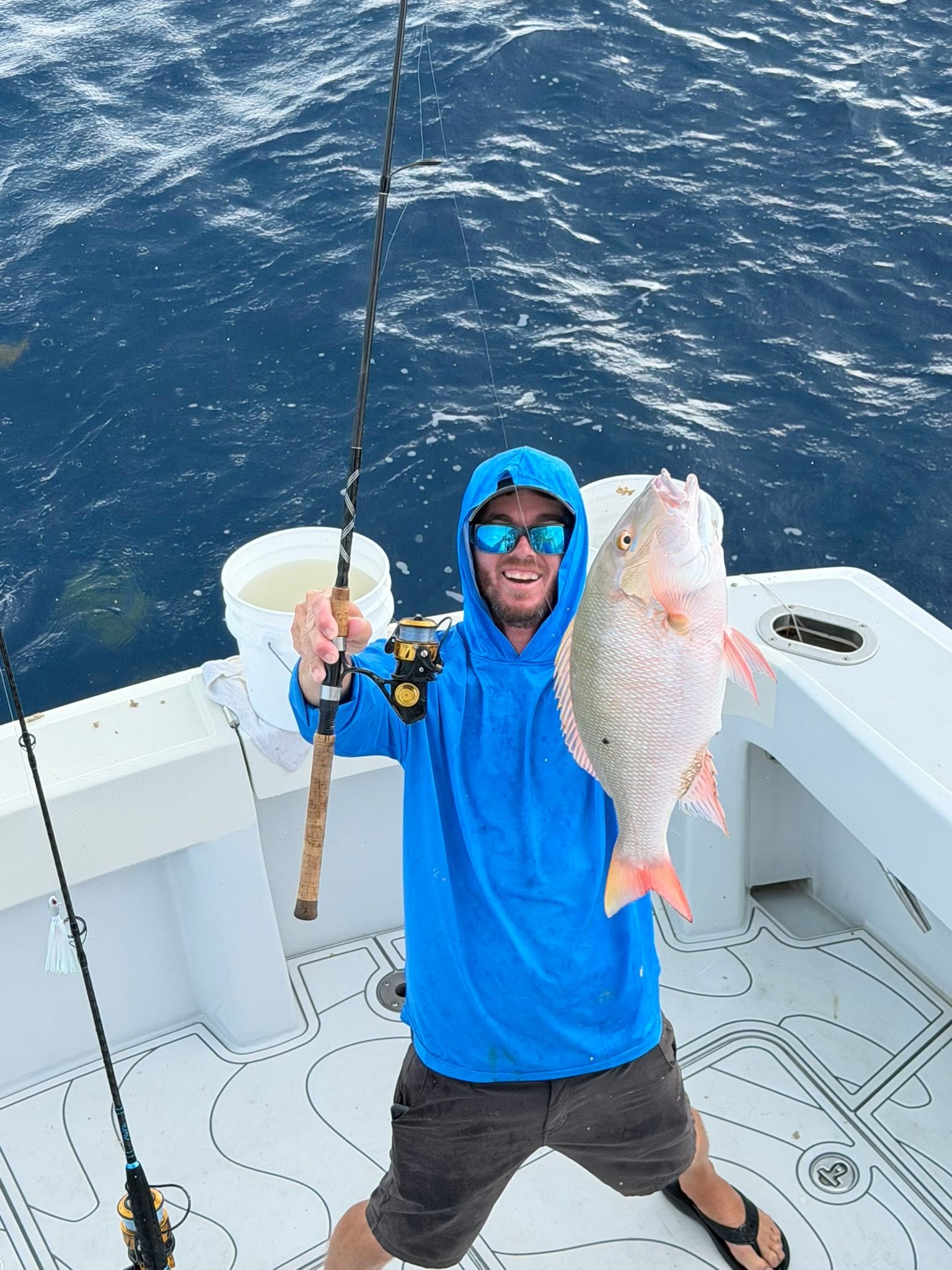
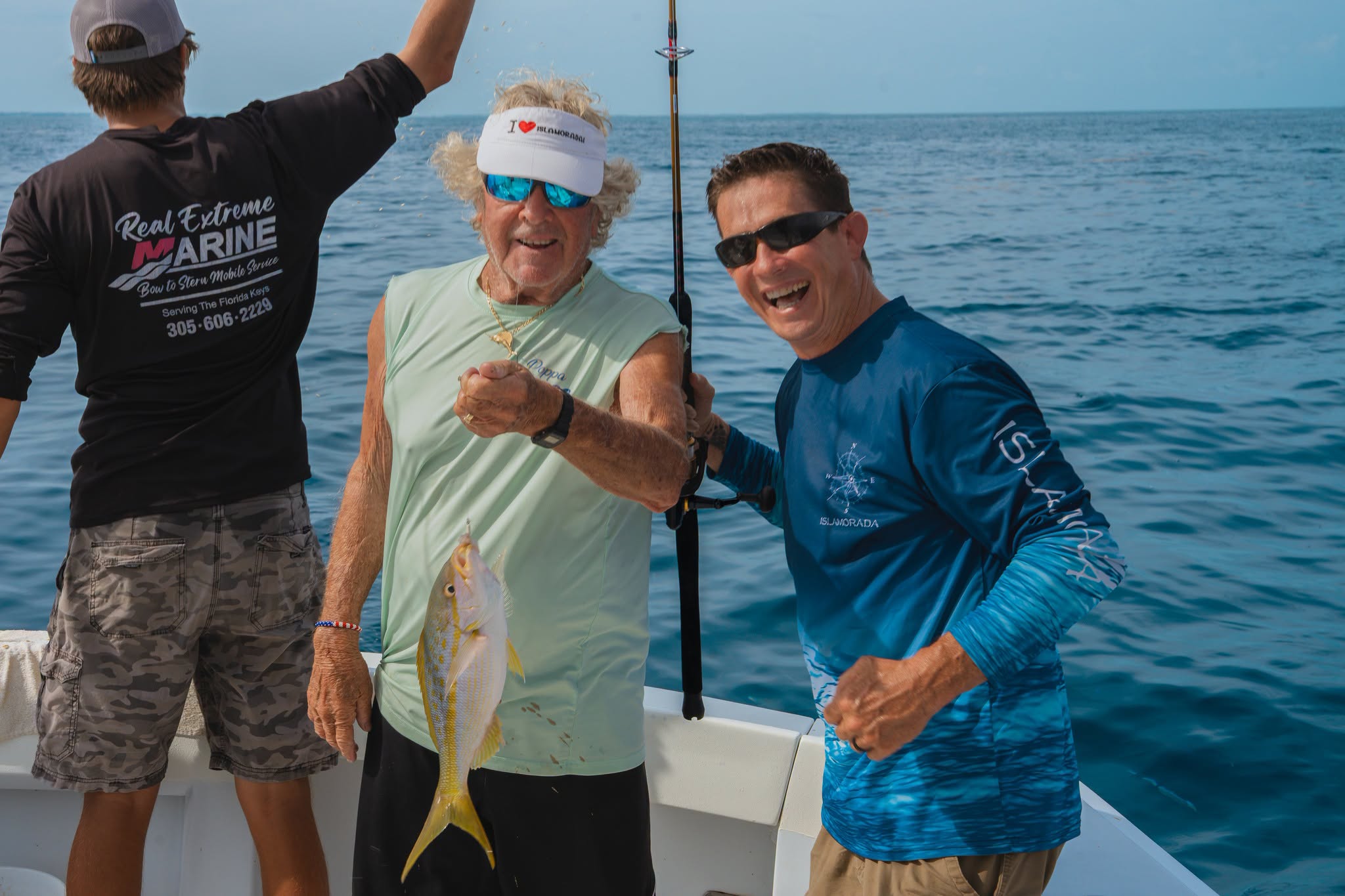
The reef sits about four miles off the beach and holds yellowtail, mutton, grouper and kingfish more or less all year. Past it the bottom falls away fast, and the same run that takes you to the reef in fifteen minutes puts you in blue water in thirty. Sailfish work that edge in winter. Mahi ride the weed lines through spring and summer. The humps hold blackfin and amberjack year round.
After dark is a separate fishery. Swordfish come off deep drops on an overnight, and the sharks feed hardest on summer nights, which is why the shark trip leaves at 5 pm instead of sunrise.
If you are not sure yet
That is normal, and it is fine. Tell us the month, who is coming, and whether the goal is a photo or a cooler, and we will point you at the trip that fits. The season calendar is the fastest way to see what is realistic on your dates.
Before you pick a fish
What is the best fish to target in Islamorada?
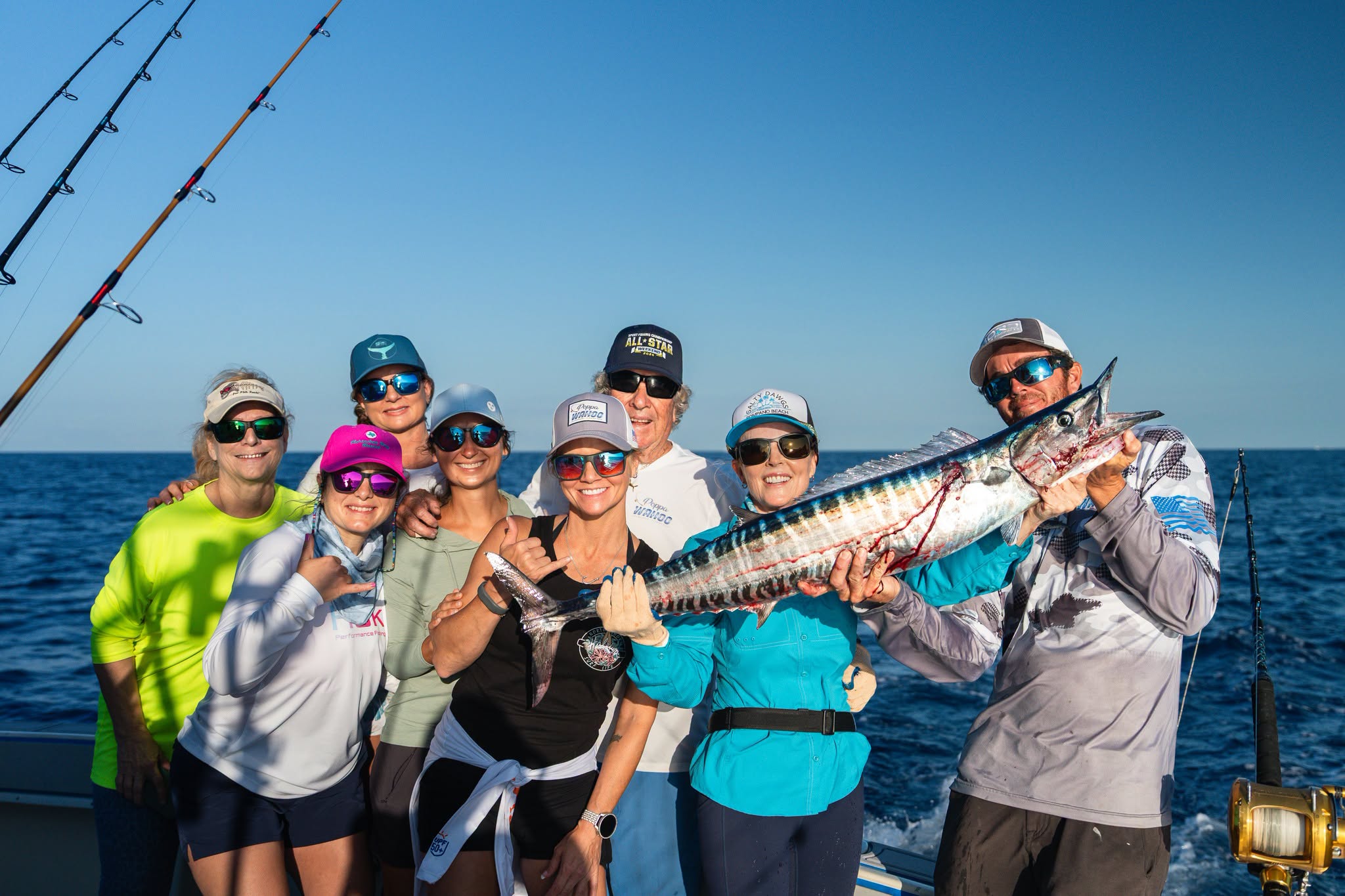
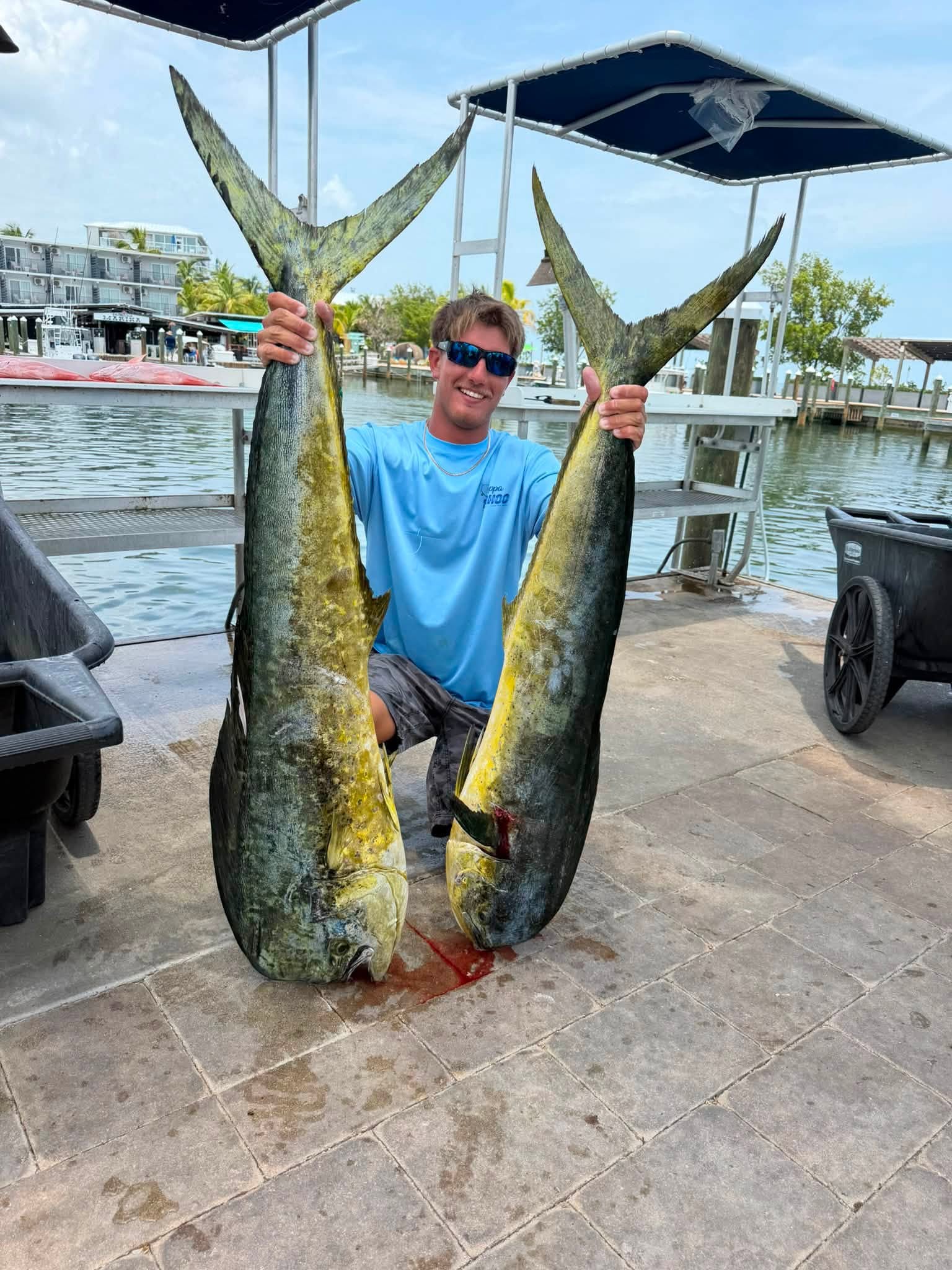
It depends entirely on the month. Winter is sailfish and kingfish, spring and summer is mahi and wahoo, and blackfin tuna, yellowtail and swordfish are available all year. If you want the highest odds of bending a rod on any given day, the reef and the humps are the safest bet.
Can we target more than one species in a trip?
Usually yes. A half day offshore often mixes reef bottom fishing with a troll on the way out and back. What does not mix well is a dedicated hunt: a day spent looking for a marlin is a day spent looking for a marlin.
Do I need to know what I want before I book?
No. Call and describe your group and your dates. Picking the fish is our job; picking the day is yours.
Which fish can we keep?
That changes with FWC regulations, season windows and size limits, and the captain will tell you on the day. Anything legal that you want to keep gets cleaned at the dock before you leave.
What if the fish we came for is not biting?
We move. The advantage of this stretch of water is that the reef, the humps and the blue are all close enough that a slow morning offshore does not have to end the day.
Every fish, and when it shows up
Seasons move a few weeks either way with the weather. For a month-by-month read on your exact dates, use the season calendar.